Why Gradual Progress Outperforms Quick Fixes in Long-Term Weight Goals
In a culture that celebrates dramatic transformations, it can be tempting to look for rapid solutions. However, research consistently shows that gradual, steady progress is far more sustainable than aggressive short-term dieting strategies. The body is not a machine that responds well to shock therapy. It is a dynamic biological system that adapts to changes over time.
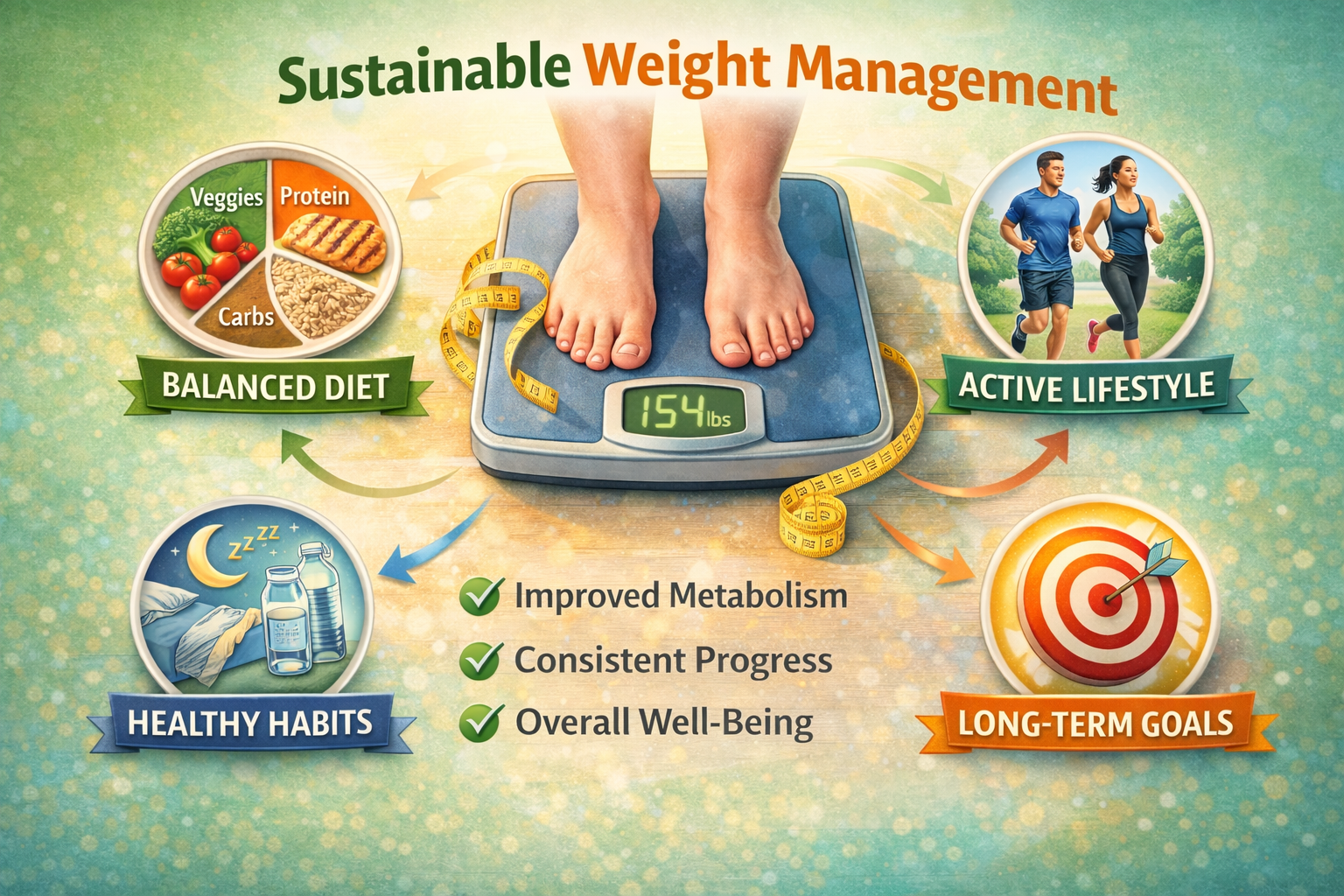
Sustainable weight management begins with realistic expectations. A modest, consistent calorie balance—combined with nourishing food choices and regular activity—allows the body to adjust without triggering extreme hunger, fatigue, or frustration. When changes are too drastic, many people experience cycles of restriction followed by overeating. Slow progress reduces that risk.
Another key principle is habit stacking. Instead of redesigning your entire lifestyle overnight, focus on one or two manageable behaviors at a time. For example, start by increasing daily steps or adding vegetables to one meal per day. Once that behavior becomes automatic, introduce another small improvement. This approach builds consistency, and consistency is more powerful than intensity.
Tracking can also be helpful—but it should support awareness, not obsession. Monitoring patterns such as meal timing, sleep duration, or weekly physical activity can reveal trends that influence body weight over time. The goal is insight, not perfection.
Finally, sustainability depends on flexibility. Social events, travel, and busy schedules are part of life. A long-term approach makes room for these realities instead of viewing them as failures. Weight management works best when it integrates into real life rather than competing with it.
Gradual progress may not look dramatic, but it respects biology, psychology, and the simple truth that lasting change grows from repeatable actions.
